Flex Conference (Physical / Digital)

International Conference on Coordination Chemistry and Bioinorganic Systems - (ICCBIS-26)

1st - 2nd October 2026 , Istanbul - Turkey

Registration Options

Access Flexible Participation Categories
Academic Program

Conference Session Tracks

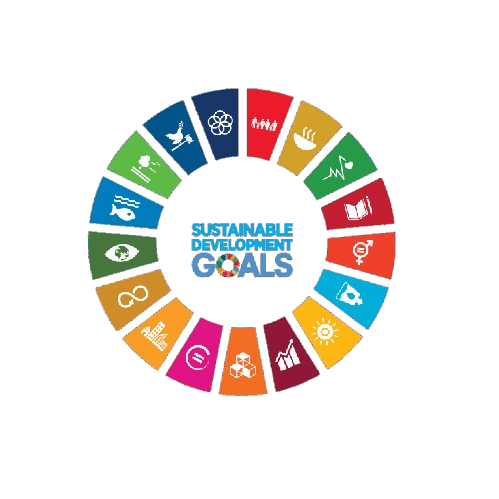
SDG Wheel

Aligned with

UN Sustainable Development Goals

This conference contributes to global sustainability by aligning its research discussions and academic sessions with key United Nations Sustainable Development Goals. It fosters knowledge exchange, innovation, and collaborative engagement.

SDG 3 SDG 3 — Good Health and Well-being
SDG 4 SDG 4 — Quality Education
SDG 7 SDG 7 — Affordable and Clean Energy
SDG 9 SDG 9 — Industry, Innovation and Infrastructure
SDG 12 SDG 12 — Responsible Consumption and Production
SDG 13 SDG 13 — Climate Action
Session Tracks
Track 01
Advancements in Coordination Chemistry

This track focuses on recent developments in coordination chemistry, emphasizing novel ligand designs and their implications for transition metal complexes. Participants will explore the synthesis, characterization, and applications of these complexes in various fields.

Track 02
Bioinorganic Systems: Mechanisms and Applications

This session delves into the intricate mechanisms of bioinorganic systems, particularly the role of metalloproteins in biological processes. Discussions will include the catalytic applications of these systems and their relevance to enzymatic models.

Track 03
Transition Metal Complexes in Catalysis

This track highlights the significance of transition metal complexes in catalysis, focusing on their electronic properties and metal-ligand bonding interactions. Researchers will present innovative approaches to enhance catalytic efficiency and selectivity.

Track 04
Structural Characterization Techniques

This session aims to showcase advanced structural characterization techniques used in the study of coordination compounds and bioinorganic systems. Participants will discuss methods such as X-ray crystallography, NMR, and spectroscopy.

Track 05
Supramolecular Chemistry and Coordination Polymers

This track explores the fascinating world of supramolecular assemblies and coordination polymers, emphasizing their design and functional properties. Attendees will examine their potential applications in materials science and nanotechnology.

Track 06
Redox Chemistry of Metal Complexes

This session focuses on the redox chemistry of metal complexes, investigating their stability and reactivity in various environments. Researchers will present findings on metal-mediated reactions and their implications for energy conversion.

Track 07
Spectroscopic Techniques in Bioinorganic Research

This track emphasizes the role of spectroscopic techniques in the study of bioinorganic systems, including UV-Vis, IR, and EPR spectroscopy. Participants will share insights on how these methods contribute to understanding metal-ligand interactions.

Track 08
Molecular Recognition in Coordination Chemistry

This session explores the principles of molecular recognition within coordination chemistry, focusing on the design of functional complexes. Discussions will include the implications of these interactions for drug design and biomimetic systems.

Track 09
Metallodrugs: Design and Mechanisms

This track investigates the design and mechanisms of metallodrugs, highlighting their therapeutic applications and challenges. Researchers will discuss the role of metal ions in drug efficacy and the development of new metallodrug candidates.

Track 10
Functional Complexes in Biological Systems

This session examines the role of functional complexes in biological systems, focusing on their interactions and mechanisms. Participants will explore how these complexes influence biological activity and their potential applications in medicine.

Track 11
Innovations in Ligand Design

This track showcases innovative approaches to ligand design in coordination chemistry, emphasizing the impact of ligand architecture on complex stability and reactivity. Researchers will present strategies for tailoring ligands to achieve desired properties in metal complexes.