Flex Conference (Physical / Digital)

International Conference on Microplastics and Nanoplastics Interactions - (ICMNI-26)

12th - 13th October 2026 , Brisbane - Australia

Registration Options

Access Flexible Participation Categories
Academic Program

Conference Session Tracks

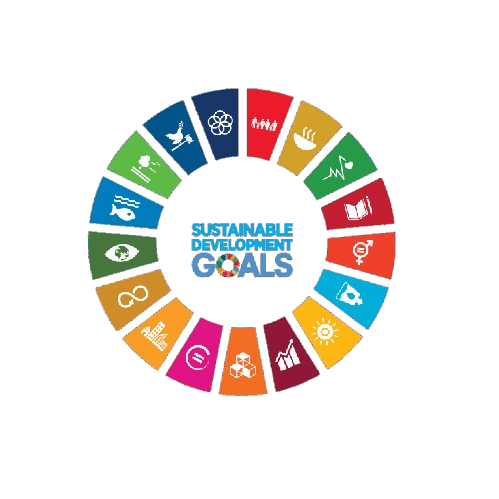
SDG Wheel

Aligned with

UN Sustainable Development Goals

This conference contributes to global sustainability by aligning its research discussions and academic sessions with key United Nations Sustainable Development Goals. It fosters knowledge exchange, innovation, and collaborative engagement.

SDG 2 SDG 2 — Zero Hunger
SDG 3 SDG 3 — Good Health and Well-being
SDG 6 SDG 6 — Clean Water and Sanitation
SDG 9 SDG 9 — Industry, Innovation and Infrastructure
SDG 12 SDG 12 — Responsible Consumption and Production
SDG 14 SDG 14 — Life Below Water
SDG 15 SDG 15 — Life on Land
Session Tracks
Track 01
Interactions of Microplastics and Nanoplastics in Aquatic Ecosystems

This track will explore the complex interactions between microplastics and nanoplastics within aquatic environments. Emphasis will be placed on their effects on aquatic organisms and the subsequent implications for ecosystem health.

Track 02
Chemical Transfer Mechanisms of Microplastics

This session will focus on the chemical transfer processes associated with microplastics and their potential to adsorb and desorb harmful pollutants. Researchers will present findings on the implications of these processes for environmental safety and human health.

Track 03
Transport Mechanisms of Microplastics in Soil and Water

This track will examine the transport mechanisms of microplastics in various environmental matrices, including soil and water. Studies will highlight the factors influencing the mobility and distribution of these particles in ecosystems.

Track 04
Bioavailability and Trophic Transfer of Microplastics

This session will delve into the bioavailability of microplastics and their potential for trophic transfer within food webs. Presentations will cover experimental findings and modeling approaches to understand the implications for higher trophic levels.

Track 05
Environmental Fate and Sediment Interactions of Microplastics

This track will investigate the environmental fate of microplastics, focusing on their interactions with sediments. Research will address how these interactions influence the persistence and degradation of microplastics in various environments.

Track 06
Polymer Characterization Techniques for Microplastics

This session will showcase advanced polymer characterization techniques used to identify and analyze microplastics. Participants will discuss the importance of accurate characterization for understanding the environmental impact of these materials.

Track 07
Co-contamination: Microplastics and Other Pollutants

This track will explore the phenomenon of co-contamination, where microplastics interact with other environmental pollutants. Studies will focus on the combined effects of these contaminants on ecosystems and human health.

Track 08
Laboratory Studies on Microplastics: Methodologies and Findings

This session will present innovative laboratory studies investigating the behavior and effects of microplastics. Researchers will share methodologies and key findings that contribute to the understanding of microplastics in controlled environments.

Track 09
Modeling Microplastics: Predictive Approaches and Tools

This track will focus on modeling approaches to predict the behavior and fate of microplastics in various environments. Presentations will highlight the development and application of computational tools in environmental assessments.

Track 10
Environmental Monitoring of Microplastics: Strategies and Challenges

This session will discuss current strategies and challenges in the environmental monitoring of microplastics. Researchers will share insights on methodologies for detecting and quantifying microplastics in diverse ecosystems.

Track 11
Risk Assessment of Microplastics: Frameworks and Case Studies

This track will address the frameworks used for risk assessment of microplastics in the environment. Case studies will illustrate the application of these frameworks in evaluating the potential impacts of microplastics on ecosystems and human health.