Flex Conference (Physical / Digital)

International Conference on Sustainable Development and Spatial Policy - (ICSDSP-26)

24th - 25th October 2026 , Mexico City - Mexico

Registration Options

Access Flexible Participation Categories
Academic Program

Conference Session Tracks

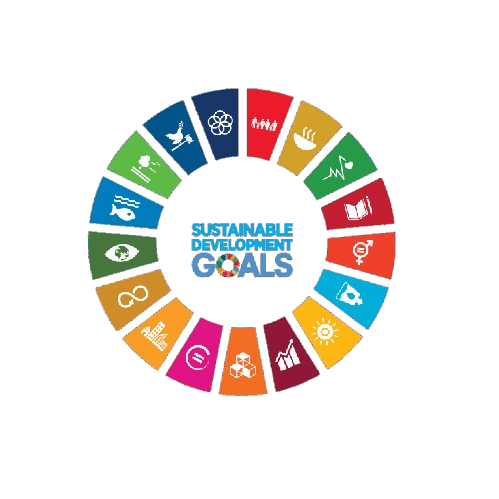
SDG Wheel

Aligned with

UN Sustainable Development Goals

This conference contributes to global sustainability by aligning its research discussions and academic sessions with key United Nations Sustainable Development Goals. It fosters knowledge exchange, innovation, and collaborative engagement.

SDG 1 SDG 1 — No Poverty
SDG 4 SDG 4 — Quality Education
SDG 8 SDG 8 — Decent Work and Economic Growth
SDG 9 SDG 9 — Industry, Innovation and Infrastructure
SDG 10 SDG 10 — Reduced Inequalities
SDG 11 SDG 11 — Sustainable Cities and Communities
SDG 12 SDG 12 — Responsible Consumption and Production
SDG 13 SDG 13 — Climate Action
SDG 15 SDG 15 — Life on Land
SDG 16 SDG 16 — Peace, Justice and Strong Institutions
SDG 17 SDG 17 — Partnerships for the Goals
Session Tracks
Track 01
Innovative Approaches to Sustainable Urban Planning

This track explores innovative strategies and methodologies in urban planning that promote sustainability. It aims to highlight case studies and theoretical frameworks that address the challenges of urbanization in the context of sustainable development.

Track 02
Governance and Policy Frameworks for Sustainable Development

This session focuses on the role of governance in shaping effective policies for sustainable development. It invites discussions on the interplay between local, national, and global governance structures and their impact on spatial policy.

Track 03
Socioeconomic Impacts of Globalization on Local Communities

This track examines how globalization influences social structures and economic conditions within local communities. It seeks to understand the balance between global integration and local sustainability.

Track 04
Environmental Justice and Spatial Inequality

This session addresses the relationship between environmental justice and spatial inequality in urban and rural settings. It invites contributions that analyze how marginalized communities are affected by environmental policies and practices.

Track 05
Cultural Perspectives on Sustainable Development

This track explores the cultural dimensions of sustainable development and how they shape spatial policies. It emphasizes the importance of integrating local knowledge and practices in the pursuit of sustainability.

Track 06
Social Change and Community Resilience

This session investigates the dynamics of social change and its implications for community resilience in the face of environmental challenges. It aims to highlight strategies that empower communities to adapt and thrive sustainably.

Track 07
The Role of Innovation in Spatial Policy Making

This track focuses on the integration of innovative technologies and practices in spatial policy making. It encourages discussions on how innovation can enhance the effectiveness and efficiency of sustainable development initiatives.

Track 08
Economic Models for Sustainable Development

This session explores various economic models that support sustainable development goals. It aims to analyze the effectiveness of these models in addressing economic disparities while promoting environmental stewardship.

Track 09
Globalization and Environmental Sustainability

This track examines the complex relationship between globalization and environmental sustainability. It seeks to address how global economic activities impact local environments and what policies can mitigate adverse effects.

Track 10
Spatial Planning for Climate Change Adaptation

This session focuses on spatial planning strategies that enhance resilience to climate change. It invites contributions that explore adaptive measures and their implications for sustainable development.

Track 11
Justice and Equity in Sustainable Development

This track addresses the critical issues of justice and equity in the context of sustainable development. It aims to foster discussions on how policies can be designed to ensure fair distribution of resources and opportunities.