Flex Conference (Physical / Digital)

International Conference on Waste Management and Environmental Technology - (ICWMET-26)

26th - 27th October 2026 , Phnom Penh - Cambodia

Registration Options

Access Flexible Participation Categories
Academic Program

Conference Session Tracks

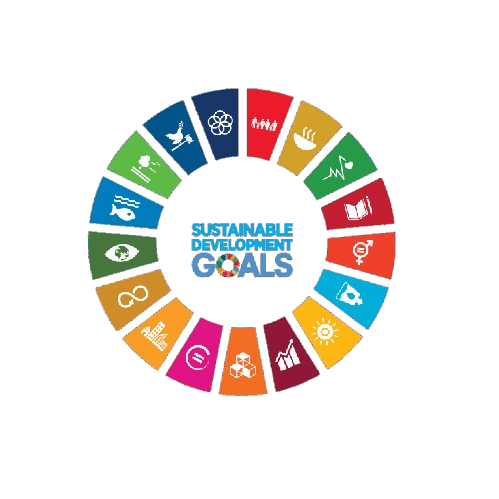
SDG Wheel

Aligned with

UN Sustainable Development Goals

This conference contributes to global sustainability by aligning its research discussions and academic sessions with key United Nations Sustainable Development Goals. It fosters knowledge exchange, innovation, and collaborative engagement.

SDG 3 SDG 3 — Good Health and Well-being
SDG 7 SDG 7 — Affordable and Clean Energy
SDG 10 SDG 10 — Reduced Inequalities
SDG 11 SDG 11 — Sustainable Cities and Communities
SDG 12 SDG 12 — Responsible Consumption and Production
SDG 16 SDG 16 — Peace, Justice and Strong Institutions
Session Tracks
Track 01
Innovative Biomass Utilization Strategies

This track focuses on the latest advancements in the comprehensive utilization of biomass for energy and material recovery. Researchers are invited to present innovative approaches that enhance the sustainability and efficiency of biomass conversion processes.

Track 02
Chemical Waste Management Practices

This session explores effective strategies for the management of chemical waste, emphasizing regulatory compliance and innovative treatment technologies. Contributions that address the challenges of hazardous chemical disposal and recycling are particularly encouraged.

Track 03
Circular Economy and Urban Mining

This track examines the principles of circular economy in the context of urban mining, focusing on resource recovery from waste streams. Papers that highlight case studies, methodologies, and policy implications are welcome.

Track 04
Construction and Demolition Waste Recycling

This session addresses the challenges and solutions related to the disposal and recycling of construction and demolition waste. Contributions that showcase best practices, innovative technologies, and regulatory frameworks are highly encouraged.

Track 05
Environmental Regulation and Governance of Contaminated Sites

This track investigates the role of environmental regulation and governance in the management of contaminated sites. Papers that analyze policy effectiveness, remediation technologies, and stakeholder engagement are sought.

Track 06
End-of-Life Vehicle Recycling Technologies

This session focuses on the latest technologies and practices in the recycling of end-of-life vehicles. Contributions that discuss the environmental impacts, economic viability, and regulatory aspects of vehicle recycling are welcome.

Track 07
Energy Production from Waste Materials

This track explores innovative methods for energy production from various waste materials, including organic and inorganic waste. Researchers are invited to present findings on conversion technologies, efficiency improvements, and sustainability assessments.

Track 08
Extended Producer Responsibility and Waste Reduction

This session examines the concept of Extended Producer Responsibility (EPR) as a strategy for waste reduction and management. Papers that evaluate EPR frameworks, their effectiveness, and case studies of implementation are encouraged.

Track 09
Hazardous Waste Management and Disposal Techniques

This track focuses on the latest techniques and best practices for the management and sound disposal of hazardous waste. Contributions that address technological innovations, regulatory challenges, and public health implications are welcome.

Track 10
Nuclear Waste Management and Environmental Safety

This session investigates the complexities of nuclear waste management, including safe disposal and environmental safety measures. Papers that discuss policy frameworks, technological advancements, and case studies are encouraged.

Track 11
Social and Environmental Impacts of Waste Management

This track explores the social and environmental implications of waste management practices. Contributions that analyze community engagement, public perception, and the impact of waste policies on vulnerable populations are sought.