Flex Conference (Physical / Digital)

International Conference on Marine Technology - (ICMT-27)

2nd - 3rd February 2027 , St. Catharines - Canada

Registration Options

Access Flexible Participation Categories
Academic Program

Conference Session Tracks

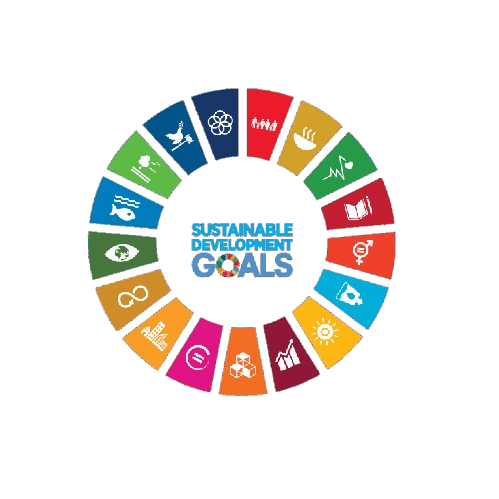
SDG Wheel

Aligned with

UN Sustainable Development Goals

This conference contributes to global sustainability by aligning its research discussions and academic sessions with key United Nations Sustainable Development Goals. It fosters knowledge exchange, innovation, and collaborative engagement.

SDG 3 SDG 3 — Good Health and Well-being
SDG 7 SDG 7 — Affordable and Clean Energy
SDG 9 SDG 9 — Industry, Innovation and Infrastructure
SDG 12 SDG 12 — Responsible Consumption and Production
SDG 13 SDG 13 — Climate Action
SDG 14 SDG 14 — Life Below Water
SDG 15 SDG 15 — Life on Land
Session Tracks
Track 01
Advancements in Naval Architecture and Ocean Engineering

This track focuses on innovative design methodologies and technologies in naval architecture and ocean engineering. Topics include structural integrity, hydrodynamic performance, and the integration of advanced materials in vessel design.

Track 02
Renewable Energy Solutions for Marine Applications

This session explores the latest developments in renewable energy technologies applicable to marine environments. Discussions will include offshore wind, wave energy, and the integration of renewable systems into marine operations.

Track 03
Sustainable Practices in Marine Engineering

This track examines sustainable engineering practices aimed at minimizing environmental impact in marine technology. Topics include eco-friendly materials, waste management, and lifecycle assessments in marine projects.

Track 04
Environmental Monitoring and Response Strategies

This session addresses the technologies and methodologies for monitoring marine environments and responding to ecological challenges. Emphasis will be placed on remote sensing, data analysis, and emergency response frameworks.

Track 05
Innovations in Ship Propulsion and Automation

This track highlights advancements in ship propulsion systems and automation technologies. Key areas of focus include energy efficiency, automation in navigation, and the role of artificial intelligence in maritime operations.

Track 06
Deep Sea Systems and Autonomous Vehicles

This session delves into the engineering and operational challenges associated with deep-sea systems and autonomous underwater vehicles. Discussions will cover design, deployment, and real-time data collection in extreme environments.

Track 07
Maritime Logistics and Supply Chain Management

This track focuses on the complexities of maritime logistics and the optimization of supply chain processes. Topics include multimodal transport, port operations, and the role of technology in enhancing logistical efficiency.

Track 08
Risk Analysis and Safety in Marine Technology

This session examines methodologies for risk assessment and safety management in marine engineering projects. Participants will discuss case studies and best practices for ensuring reliability and safety in marine operations.

Track 09
Materials Science in Shipbuilding and Marine Structures

This track explores the latest advancements in materials science relevant to shipbuilding and marine structures. Topics include material degradation, corrosion resistance, and the development of innovative fabrication techniques.

Track 10
Hydrodynamic Aspects of Marine Vehicles

This session focuses on the hydrodynamic principles that influence the design and performance of marine vehicles. Discussions will include computational fluid dynamics, model testing, and the impact of hull design on vessel efficiency.

Track 11
Offshore Exploration and Environmental Impacts

This track addresses the engineering challenges and environmental considerations associated with offshore hydrocarbons exploration. Topics will include exploration technologies, impact assessments, and sustainable practices in offshore operations.