Flex Conference (Physical / Digital)

International Conference on Mycological Genetics and Biology - (ICMGBIO-27)

17th - 18th March 2027 , Guayaquil - Ecuador

Registration Options

Access Flexible Participation Categories
Academic Program

Conference Session Tracks

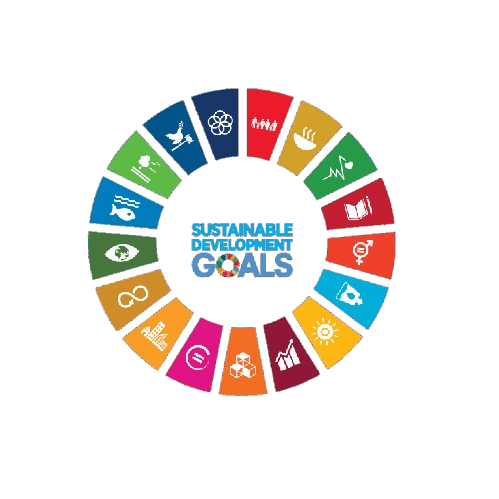
SDG Wheel

Aligned with

UN Sustainable Development Goals

This conference contributes to global sustainability by aligning its research discussions and academic sessions with key United Nations Sustainable Development Goals. It fosters knowledge exchange, innovation, and collaborative engagement.

SDG 1 SDG 1 — No Poverty
SDG 2 SDG 2 — Zero Hunger
SDG 3 SDG 3 — Good Health and Well-being
SDG 4 SDG 4 — Quality Education
SDG 6 SDG 6 — Clean Water and Sanitation
SDG 7 SDG 7 — Affordable and Clean Energy
SDG 9 SDG 9 — Industry, Innovation and Infrastructure
SDG 12 SDG 12 — Responsible Consumption and Production
SDG 13 SDG 13 — Climate Action
SDG 14 SDG 14 — Life Below Water
SDG 15 SDG 15 — Life on Land
Session Tracks
Track 01
Fungal Diversity and Ecology

This track focuses on the vast diversity of fungi and their ecological roles within various ecosystems. Participants will explore the interactions between fungi and their environments, including their contributions to nutrient cycling and ecosystem stability.

Track 02
Mycological Genetics and Genomics

This session will delve into the genetic and genomic underpinnings of fungal species, emphasizing the latest advancements in sequencing technologies. Discussions will include genetic variation, evolutionary relationships, and the implications for fungal biology.

Track 03
Fungal Pathogens and Disease

This track addresses the impact of fungal pathogens on human, animal, and plant health. Researchers will present findings on pathogenic mechanisms, host interactions, and strategies for disease management.

Track 04
Fungal Immunology and Host Defense

This session will explore the immune responses elicited by fungal infections and the mechanisms of host defense. Topics will include the role of fungal antigens and the development of immunotherapeutic strategies.

Track 05
Mycotoxicology and Food Safety

This track will examine the harmful effects of mycotoxins produced by fungi in food and feed. Researchers will discuss detection methods, risk assessment, and mitigation strategies to ensure food safety.

Track 06
Fungal Biotechnology and Industrial Applications

This session will highlight the innovative uses of fungi in biotechnology, including enzyme production, bioremediation, and biofuel generation. Participants will share successful case studies and future prospects in industrial mycology.

Track 07
Clinical Mycology and Therapeutics

This track will focus on the clinical aspects of mycology, including diagnosis, treatment, and management of fungal infections. Discussions will cover emerging antifungal agents and resistance mechanisms.

Track 08
Fungal Systematics and Phylogeny

This session will address the classification and evolutionary relationships of fungi, utilizing molecular and morphological data. Participants will discuss the implications of phylogenetic studies for understanding fungal biodiversity.

Track 09
Interactions Between Fungi and Bacteria

This track will explore the complex interactions between fungi and bacteria, including mutualistic and antagonistic relationships. Researchers will present findings on the implications of these interactions for health and disease.

Track 10
Mycology in Veterinary Science

This session will focus on the role of fungi in veterinary medicine, including fungal infections in animals and their treatment. Participants will discuss diagnostic challenges and advancements in veterinary mycology.

Track 11
Mushroom Cultivation and Lichen Studies

This track will examine the cultivation of edible and medicinal mushrooms, as well as the ecological significance of lichens. Discussions will include cultivation techniques, sustainability, and the role of lichens as bioindicators.