Flex Conference (Physical / Digital)

International Conference on Bioenergy, Biofuels and Bioproducts - (ICBBB-27)

11th - 12th February 2027 , Beira - Mozambique

Registration Options

Access Flexible Participation Categories
Academic Program

Conference Session Tracks

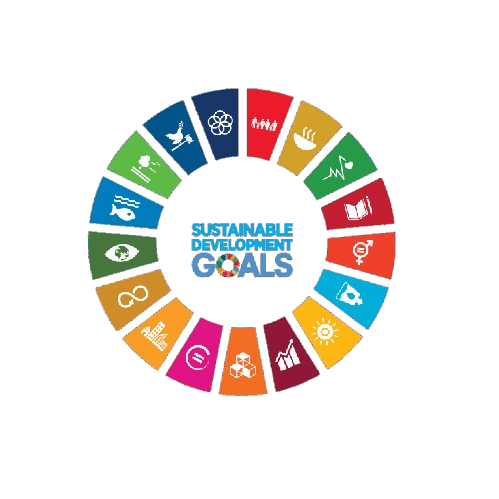
SDG Wheel

Aligned with

UN Sustainable Development Goals

This conference contributes to global sustainability by aligning its research discussions and academic sessions with key United Nations Sustainable Development Goals. It fosters knowledge exchange, innovation, and collaborative engagement.

SDG 2 SDG 2 — Zero Hunger
SDG 6 SDG 6 — Clean Water and Sanitation
SDG 7 SDG 7 — Affordable and Clean Energy
SDG 8 SDG 8 — Decent Work and Economic Growth
SDG 9 SDG 9 — Industry, Innovation and Infrastructure
SDG 11 SDG 11 — Sustainable Cities and Communities
SDG 12 SDG 12 — Responsible Consumption and Production
SDG 13 SDG 13 — Climate Action
SDG 17 SDG 17 — Partnerships for the Goals
Session Tracks
Track 01
Advancements in Biorefining Technologies

This track focuses on the latest innovations in biorefining technologies that enhance the conversion of biomass into valuable biofuels and bioproducts. Participants will explore the integration of chemical, biological, and thermochemical processes to optimize yield and efficiency.

Track 02
Biogas Production from Agricultural Waste

This session addresses the challenges and opportunities associated with large-scale biogas production from agricultural waste. Discussions will include substrate selection, process optimization, and the environmental benefits of utilizing agricultural residues.

Track 03
Market Potential and Economic Viability of Biogas Reactors

This track examines the market dynamics and economic feasibility of biogas reactor technologies. Participants will analyze case studies and market trends to assess the scalability and profitability of biogas systems.

Track 04
Innovative Substrates for Enhanced Biogas Production

This session explores new and unconventional substrates for biogas production, including algae and organic waste. Researchers will present findings on substrate characterization, digestion efficiency, and overall impact on biogas yield.

Track 05
Algal Cultivation and Oil Extraction Techniques

This track delves into the methodologies for culturing algae and extracting oils for biofuel applications. Emphasis will be placed on optimizing growth conditions and extraction processes to maximize oil yield.

Track 06
Wastewater-Based Algae Biofuel Production

This session highlights the potential of utilizing wastewater for algae biofuel production, addressing both energy recovery and wastewater treatment. Participants will discuss technological advancements and sustainability implications.

Track 07
Genetic Engineering in Algae for Enhanced Productivity

This track focuses on the role of genetic engineering in improving algal strains for biofuel production. Researchers will share insights on genetic modifications that enhance growth rates, oil content, and resilience.

Track 08
Commercialization Strategies for Algae Biofuels

This session explores the pathways to commercializing algae-based biofuels, including market entry strategies and partnerships. Discussions will cover regulatory challenges and funding opportunities for startups in this field.

Track 09
Biodiesel Production from Municipal Waste

This track investigates the feasibility of producing biodiesel from municipal waste materials. Participants will examine the technological processes, economic implications, and environmental benefits of this approach.

Track 10
Cost-Effective Techniques for Biodiesel Scale-Up

This session focuses on innovative strategies for scaling up biodiesel production while minimizing costs. Researchers will present case studies and methodologies that enhance production efficiency and reduce operational expenses.

Track 11
Biodiesel as a Sustainable Automobile Fuel

This track evaluates the potential of biodiesel as a sustainable alternative to conventional automobile fuels. Discussions will include performance metrics, environmental impact assessments, and policy frameworks supporting biodiesel adoption.