Flex Conference (Physical / Digital)

International Conference on Globalization - (ICGLO-27)

27th - 28th January 2027 , Edinburgh - UK

Registration Options

Access Flexible Participation Categories
Academic Program

Conference Session Tracks

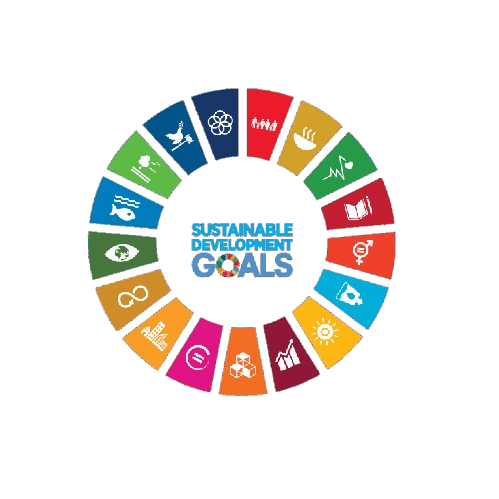
SDG Wheel

Aligned with

UN Sustainable Development Goals

This conference contributes to global sustainability by aligning its research discussions and academic sessions with key United Nations Sustainable Development Goals. It fosters knowledge exchange, innovation, and collaborative engagement.

SDG 1 SDG 1 — No Poverty
SDG 3 SDG 3 — Good Health and Well-being
SDG 4 SDG 4 — Quality Education
SDG 8 SDG 8 — Decent Work and Economic Growth
SDG 9 SDG 9 — Industry, Innovation and Infrastructure
SDG 10 SDG 10 — Reduced Inequalities
SDG 13 SDG 13 — Climate Action
SDG 15 SDG 15 — Life on Land
SDG 16 SDG 16 — Peace, Justice and Strong Institutions
SDG 17 SDG 17 — Partnerships for the Goals
Session Tracks
Track 01
Historical Perspectives on Globalization

This track explores the evolution of globalization throughout history, examining key events and movements that have shaped its trajectory. It aims to provide a comprehensive understanding of how historical contexts influence contemporary global interactions.

Track 02
Economic Dimensions of Globalization

This session focuses on the economic aspects of globalization, including trade liberalization, capital market integration, and the impact of economic policies on global markets. Participants will analyze the benefits and challenges posed by economic globalization.

Track 03
Cultural Globalization and Identity

This track investigates the interplay between globalization and cultural identity, addressing how global cultural exchanges influence local traditions and practices. It will also consider the implications of cultural homogenization and diversity in a globalized world.

Track 04
Political Globalization and Governance

This session examines the political dimensions of globalization, focusing on global governance, international cooperation, and the emergence of global democratic practices. Discussions will include the role of international organizations in shaping political landscapes.

Track 05
Public Opinion and Globalization

This track analyzes how public perceptions and opinions shape the discourse surrounding globalization, including support and criticism from various societal sectors. It aims to understand the factors influencing public sentiment toward global integration.

Track 06
Global Justice and Inequality

This session addresses the ethical implications of globalization, particularly concerning issues of global justice and economic inequality. Participants will explore the challenges of achieving equitable outcomes in a globalized economy.

Track 07
Environmental Challenges in a Globalized World

This track focuses on the environmental impacts of globalization, including climate change, resource depletion, and biodiversity loss. It will examine the role of global cooperation in addressing these pressing environmental issues.

Track 08
Anti-Globalization Movements: Perspectives and Critiques

This session delves into the various anti-globalization movements, exploring their motivations, critiques, and proposed alternatives to current globalization practices. Participants will discuss the implications of these movements for future global policies.

Track 09
Globalization and Health: A Cross-Disciplinary Approach

This track investigates the intersection of globalization and public health, focusing on how global interconnectedness affects health outcomes and access to healthcare. It aims to foster dialogue on global health challenges and solutions.

Track 10
The Role of Technology in Globalization

This session examines how technological advancements facilitate globalization, transforming communication, trade, and cultural exchange. Participants will analyze both the positive and negative consequences of technology on global interactions.

Track 11
Future Directions in Globalization Research

This track invites discussions on emerging trends and future research directions in the field of globalization. It aims to identify gaps in current knowledge and propose innovative approaches to understanding globalization's complexities.