Flex Conference (Physical / Digital)

International Conference on Data Integration in Life Science - (ICDILS-27)

17th - 18th June 2027 , Sisimiut - Greenland

Registration Options

Access Flexible Participation Categories
Academic Program

Conference Session Tracks

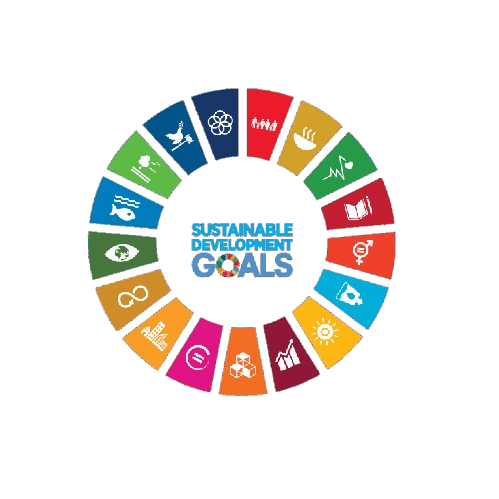
SDG Wheel

Aligned with

UN Sustainable Development Goals

This conference contributes to global sustainability by aligning its research discussions and academic sessions with key United Nations Sustainable Development Goals. It fosters knowledge exchange, innovation, and collaborative engagement.

SDG 3 SDG 3 — Good Health and Well-being
SDG 4 SDG 4 — Quality Education
SDG 9 SDG 9 — Industry, Innovation and Infrastructure
SDG 11 SDG 11 — Sustainable Cities and Communities
SDG 16 SDG 16 — Peace, Justice and Strong Institutions
Session Tracks
Track 01
Advancements in Life Science Data Modelling

This track focuses on innovative methodologies and frameworks for life science data modelling. Researchers are invited to present their findings on how these advancements can enhance data representation and interpretation in life sciences.

Track 02
Big Data Infrastructure for Life Sciences

This session explores the design and implementation of robust big data infrastructures tailored for life science applications. Contributions should address challenges and solutions in managing large-scale biological datasets.

Track 03
Data Integration Systems in Life Sciences

This track examines the development and evaluation of data integration systems that facilitate seamless data sharing across life science domains. Papers should highlight case studies and best practices in integrating heterogeneous data sources.

Track 04
Standards and Models for Life Science Data

This session focuses on the establishment and application of data models and standards within life sciences. Contributions should discuss the importance of standardization in improving data interoperability and usability.

Track 05
Linked Open Data in Life Sciences

This track investigates the use of linked open data principles to enhance data accessibility and connectivity in life sciences. Researchers are encouraged to share their experiences and insights on implementing linked data strategies.

Track 06
Machine Learning Applications in Life Sciences

This session highlights the role of machine learning techniques in analyzing and interpreting life science data. Papers should present novel algorithms or applications that demonstrate the potential of machine learning in this field.

Track 07
Query Formulation and Optimization in Life Science Databases

This track addresses the challenges of query formulation, processing, and optimization in life science databases. Contributions should focus on innovative approaches to enhance query efficiency and accuracy.

Track 08
Data Annotation and Maintenance Strategies

This session explores effective strategies for data annotation and maintenance in life sciences. Researchers are invited to discuss methodologies that ensure data quality and longevity in dynamic research environments.

Track 09
Ontology and Schema Matching in Life Science Data

This track delves into the challenges and solutions related to ontology and schema matching in life science datasets. Contributions should provide insights into techniques that improve semantic interoperability among diverse data sources.

Track 10
Privacy and Provenance in Life Science Datasets

This session examines the critical issues of privacy and data provenance in the management of life science datasets. Papers should explore frameworks and technologies that safeguard sensitive information while ensuring data traceability.

Track 11
Ethical, Legal, and Social Issues in Life Science Data Sharing

This track focuses on the ethical, legal, and social implications of data sharing in life sciences. Researchers are encouraged to discuss frameworks and policies that address these challenges while promoting responsible data use.