Registration summary
ConferenceICP-DES
ModeStandard / Physical
ParticipationListener
Registration fee$175.00
Bank charges (5.8%)$10.15
Total payable$185.15
Includes all bank processing charges — the amount above is exactly what will be charged.
Benefits of Registering as Listener
Access to Conference Sessions
Networking Opportunities
Certificate of Participation
Invitation Letter Support
Conference Kit / Materials
Access to Keynote Sessions
• Conference Session Tracks •
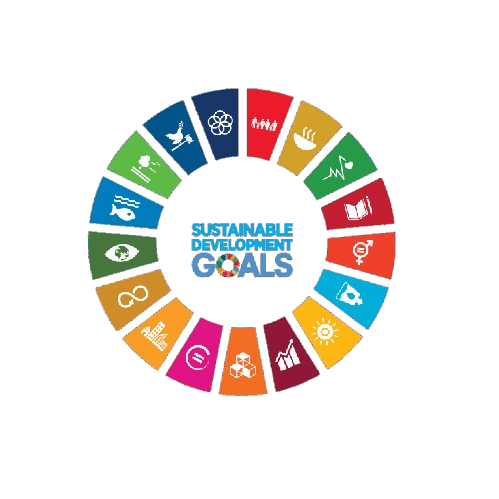
SDG-Aligned Research Themes
ICP-DES conference tracks support global knowledge exchange, innovation, and sustainable development priorities across diverse disciplines.

01 Pollinator Health and Disease Dynamics +
This session will explore the various health challenges faced by pollinator species, including pathogens, parasites, and environmental stressors. Discussions will focus on the implications of pollinator health on ecosystem services and agricultural productivity.
02 Impacts of Pesticides on Pollinator Populations +
This track will examine the effects of pesticide use on pollinator behavior, survival, and reproduction. Researchers will present findings on the ecological consequences of pesticide exposure and potential mitigation strategies.
03 Floral Ecology and Pollinator Interactions +
This session will delve into the intricate relationships between flowering plants and their pollinators, emphasizing the role of floral traits in attracting and sustaining pollinator populations. Studies will highlight the importance of floral diversity in maintaining ecosystem health.
04 Biodiversity Loss and Ecosystem Resilience +
This track will investigate the relationship between declining biodiversity and ecosystem resilience, particularly in the context of pollinator species. Presentations will focus on strategies to enhance resilience through conservation and habitat restoration.
05 Agricultural Pollination: Challenges and Solutions +
This session will address the critical role of pollinators in agricultural systems and the challenges posed by their decline. Researchers will discuss innovative practices and policies aimed at sustaining pollination services in farming.
06 Habitat Loss and Fragmentation Effects +
This track will explore the impacts of habitat loss and fragmentation on pollinator populations and their associated ecosystem services. Studies will highlight the importance of habitat connectivity and restoration efforts.
07 Insect Biodiversity and Ecosystem Functioning +
This session will focus on the role of insect biodiversity in maintaining ecosystem functioning, particularly in relation to pollination services. Presentations will examine how declines in insect diversity affect ecological processes.
08 Conservation Strategies for Pollinator Protection +
This track will present various conservation strategies aimed at protecting pollinator species and their habitats. Discussions will include policy implications, community engagement, and the role of citizen science in conservation efforts.
09 Climate Change and Pollinator Dynamics +
This session will investigate the effects of climate change on pollinator behavior, distribution, and interactions with plants. Researchers will discuss adaptive strategies for mitigating the impacts of climate change on pollinator health.
10 Plant-Pollinator Coevolution +
This track will explore the evolutionary dynamics between plants and their pollinators, focusing on coevolutionary processes that shape mutualistic relationships. Presentations will highlight case studies that illustrate the complexity of these interactions.
11 Ecosystem Services and Human Well-being +
This session will examine the links between pollinator-mediated ecosystem services and human well-being, emphasizing the socio-economic benefits of healthy pollinator populations. Discussions will focus on integrating ecological research with policy and community initiatives.
