Registration summary
ConferenceICUHIDC
ModeStandard / Physical
ParticipationListener
Registration fee$155.00
Bank charges (5.8%)$8.99
Total payable$163.99
Includes all bank processing charges — the amount above is exactly what will be charged.
Benefits of Registering as Listener
Access to Conference Sessions
Networking Opportunities
Certificate of Participation
Invitation Letter Support
Conference Kit / Materials
Access to Keynote Sessions
• Conference Session Tracks •
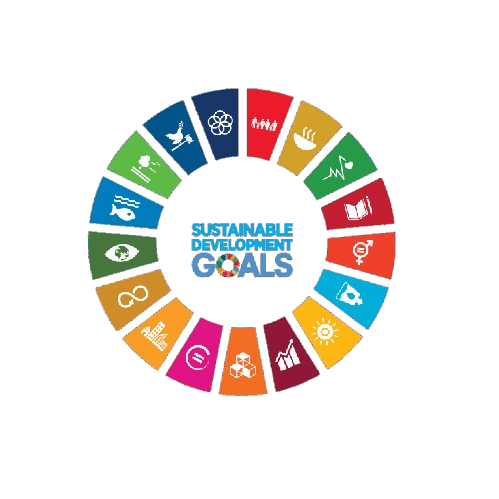
SDG-Aligned Research Themes
ICUHIDC conference tracks support global knowledge exchange, innovation, and sustainable development priorities across diverse disciplines.
01 Urban Health Disparities and HIV/AIDS +
This track explores the intersection of urban health disparities and the HIV/AIDS epidemic, focusing on how socio-economic factors contribute to differential health outcomes. It aims to identify effective strategies for addressing these disparities in urban settings.
02 Social Determinants of Health in Urban Contexts +
This session investigates the social determinants that influence health outcomes among urban populations, particularly in relation to HIV/AIDS. Emphasis will be placed on understanding how factors such as income, education, and social networks impact health equity.
03 Environmental Health and HIV Vulnerability +
This track examines the role of environmental health in shaping vulnerability to HIV/AIDS in urban areas. Discussions will focus on how urbanization and environmental degradation exacerbate health risks for marginalized communities.
04 Access to Health Services in Urban Areas +
This session addresses the barriers to accessing health services for HIV prevention and treatment in urban environments. It will highlight innovative approaches to improve service delivery and equity in healthcare access.
05 Urban Planning and Health Equity +
This track focuses on the implications of urban planning on health equity, particularly concerning HIV/AIDS. Participants will explore how urban design can facilitate or hinder health outcomes for vulnerable populations.
06 Community Health Initiatives and HIV Prevention +
This session showcases successful community health initiatives aimed at HIV prevention in urban settings. It will discuss the role of community engagement and empowerment in addressing health disparities.
07 Policy Challenges in Urban Health Governance +
This track delves into the policy challenges faced by urban health governance in addressing HIV/AIDS. It will explore the effectiveness of current policies and propose frameworks for more equitable health interventions.
08 Social Exclusion and Health Outcomes +
This session examines the impact of social exclusion on health outcomes related to HIV/AIDS in urban populations. Discussions will focus on strategies to combat stigma and promote inclusivity in health services.
09 Infrastructure and Health Access in Urban Areas +
This track investigates the relationship between urban infrastructure and access to health services for HIV/AIDS. It will highlight the importance of sustainable infrastructure development in promoting health equity.
10 Interdisciplinary Approaches to Urban Health Challenges +
This session encourages interdisciplinary collaboration to address urban health challenges associated with HIV/AIDS. Participants will share insights from various fields, including public health, sociology, and urban studies.
11 Innovative Research Methods in Urban Health Studies +
This track focuses on innovative research methodologies for studying urban health and HIV/AIDS. It aims to foster discussions on the application of qualitative and quantitative approaches in understanding complex urban health dynamics.
