Registration summary
ConferenceICIMSET
ModeStandard / Physical
ParticipationListener
Registration fee$175.00
Bank charges (5.8%)$10.15
Total payable$185.15
Includes all bank processing charges — the amount above is exactly what will be charged.
Benefits of Registering as Listener
Access to Conference Sessions
Networking Opportunities
Certificate of Participation
Invitation Letter Support
Conference Kit / Materials
Access to Keynote Sessions
• Conference Session Tracks •
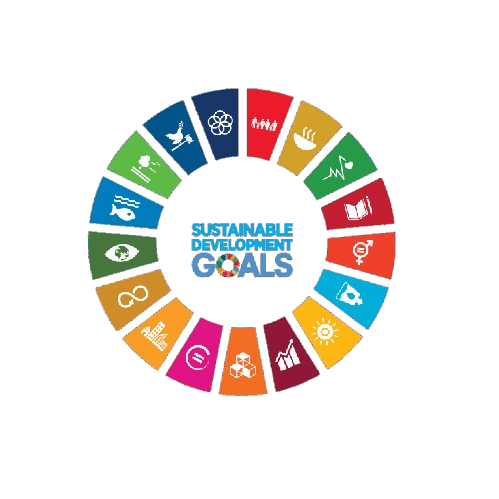
SDG-Aligned Research Themes
ICIMSET conference tracks support global knowledge exchange, innovation, and sustainable development priorities across diverse disciplines.




01 Innovations in Aeroengineering and Aerospace Technologies +
This track focuses on the latest advancements in aeroengineering and aerospace technologies, exploring new materials, design methodologies, and systems integration. Researchers are invited to present their findings on the impact of these innovations on the aerospace industry and related fields.
02 Sustainable Agricultural and Biosystems Engineering +
This session aims to address the challenges and solutions in agricultural and biosystems engineering, emphasizing sustainable practices and innovative technologies. Contributions that explore the intersection of engineering, biology, and environmental science are particularly encouraged.
03 Architectural and Urban Engineering for Smart Cities +
This track examines the role of architectural and urban engineering in the development of smart cities, focusing on sustainable design, infrastructure, and technology integration. Papers that discuss innovative urban planning and the impact of engineering solutions on urban living are welcome.
04 Bioengineering and Medical Technologies +
This session highlights the latest research in bioengineering and medical technologies, including biomaterials, medical devices, and healthcare innovations. Participants are encouraged to share interdisciplinary approaches that enhance patient care and medical outcomes.
05 Business and Management Innovations in Engineering +
This track explores the intersection of business, economics, and engineering management, focusing on innovative practices that drive efficiency and competitiveness. Submissions should address how engineering principles can be applied to improve business outcomes.
06 Advancements in Chemical and Materials Engineering +
This session is dedicated to the latest research in chemical and materials engineering, including novel materials, processes, and applications. Contributions that explore the implications of these advancements for various industries are highly encouraged.
07 Computational and Information Engineering: Trends and Applications +
This track focuses on the latest trends in computational and information engineering, including algorithms, data analytics, and software development. Researchers are invited to present applications that demonstrate the transformative potential of these technologies.
08 Earth and Environmental Engineering for Sustainable Development +
This session addresses the critical role of earth and environmental engineering in promoting sustainable development and addressing global challenges. Papers that explore innovative engineering solutions for environmental protection and resource management are welcome.
09 Electrical and Electronics Engineering: Innovations and Challenges +
This track examines the latest innovations in electrical and electronics engineering, including renewable energy systems, smart grids, and electronic devices. Researchers are encouraged to discuss the challenges and future directions of this rapidly evolving field.
10 Interdisciplinary Approaches in Mechanical and Mechatronics Engineering +
This session focuses on interdisciplinary approaches in mechanical and mechatronics engineering, highlighting collaborations that enhance system design and functionality. Contributions that showcase innovative applications and research methodologies are particularly welcome.
11 Social Sciences and Humanities in Engineering Contexts +
This track explores the integration of social sciences and humanities within engineering contexts, examining the societal impacts of technology and engineering practices. Papers that address ethical considerations, cultural implications, and community engagement are encouraged.
