Registration summary
ConferenceICFWMS
ModeStandard / Physical
ParticipationListener
Registration fee$155.00
Bank charges (5.8%)$8.99
Total payable$163.99
Includes all bank processing charges — the amount above is exactly what will be charged.
Benefits of Registering as Listener
Access to Conference Sessions
Networking Opportunities
Certificate of Participation
Invitation Letter Support
Conference Kit / Materials
Access to Keynote Sessions
• Conference Session Tracks •
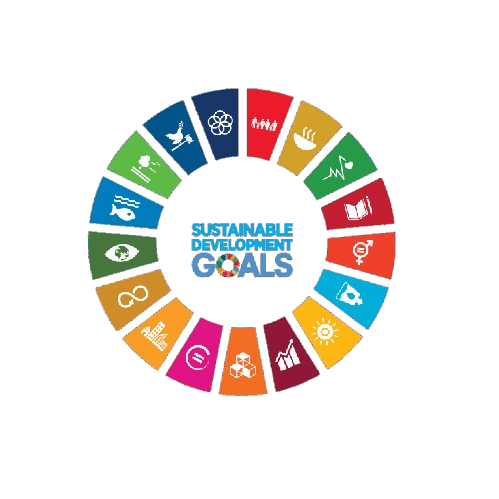
SDG-Aligned Research Themes
ICFWMS conference tracks support global knowledge exchange, innovation, and sustainable development priorities across diverse disciplines.
01 Innovative Strategies for Food Waste Reduction +
This track focuses on novel approaches and methodologies aimed at minimizing food waste across various sectors. Participants will explore case studies and best practices that demonstrate effective waste reduction strategies.
02 Circular Economy in Food Systems +
This session examines the integration of circular economy principles within food systems to enhance sustainability. Discussions will highlight successful models that promote resource recovery and waste valorization.
03 Environmental Impacts of Food Waste +
This track delves into the environmental consequences of food waste, including greenhouse gas emissions and resource depletion. Researchers will present findings on the ecological footprint of food loss and strategies for mitigation.
04 Policy Innovations for Sustainable Food Management +
This session addresses the role of policy in promoting sustainable food waste management practices. Experts will discuss innovative regulatory frameworks and incentives that encourage waste reduction and sustainable development.
05 Technological Advances in Waste Prevention +
This track highlights cutting-edge technologies that facilitate waste prevention and enhance food security. Participants will explore the role of green technology in optimizing food supply chains and minimizing waste.
06 Sustainable Practices in Food Supply Chains +
This session focuses on the implementation of sustainable practices throughout food supply chains to reduce waste. Case studies will illustrate how businesses can adopt circular practices to enhance efficiency and sustainability.
07 Food Loss Prevention Strategies +
This track investigates effective strategies for preventing food loss at various stages of the supply chain. Presentations will cover interventions that target production, processing, and distribution phases.
08 Waste Valorization and Resource Recovery +
This session explores methods for transforming food waste into valuable resources through valorization techniques. Participants will discuss innovative practices that contribute to resource recovery and sustainability.
09 Climate Change Mitigation through Food Waste Management +
This track examines the intersection of food waste management and climate change mitigation efforts. Researchers will present insights on how reducing food waste can significantly lower carbon footprints.
10 Consumer Behavior and Food Waste +
This session investigates the influence of consumer behavior on food waste generation and management. Discussions will focus on educational initiatives and behavioral interventions that promote sustainable consumption.
11 Collaborative Approaches to Food Waste Solutions +
This track emphasizes the importance of collaboration among stakeholders in addressing food waste challenges. Participants will explore partnerships between government, industry, and academia to foster innovative solutions.
