Registration summary
ConferenceICEEIJIS
ModeStandard / Physical
ParticipationListener
Registration fee$175.00
Bank charges (5.8%)$10.15
Total payable$185.15
Includes all bank processing charges — the amount above is exactly what will be charged.
Benefits of Registering as Listener
Access to Conference Sessions
Networking Opportunities
Certificate of Participation
Invitation Letter Support
Conference Kit / Materials
Access to Keynote Sessions
• Conference Session Tracks •
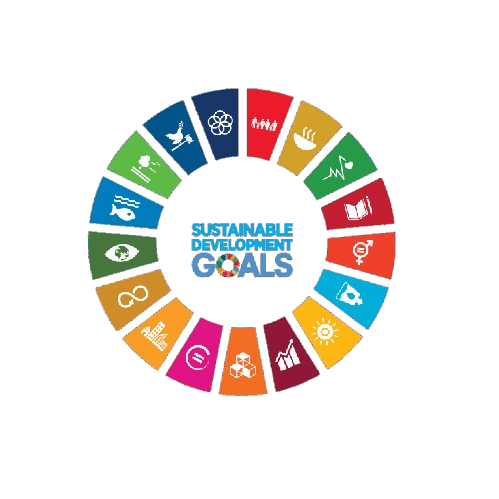
SDG-Aligned Research Themes
ICEEIJIS conference tracks support global knowledge exchange, innovation, and sustainable development priorities across diverse disciplines.

01 Philosophical Foundations of Environmental Ethics +
This track explores the theoretical underpinnings of environmental ethics, focusing on the moral obligations humans have towards the natural world. It aims to engage with diverse philosophical perspectives that inform our understanding of ecological justice and intergenerational responsibilities.
02 Biodiversity Conservation and Ethical Implications +
This session addresses the ethical considerations surrounding biodiversity conservation efforts, examining the moral responsibilities we hold towards various species. Discussions will include the implications of conservation strategies on future generations and the intrinsic value of biodiversity.
03 Ecological Stewardship and Sustainability Practices +
Focusing on the concept of ecological stewardship, this track evaluates practical approaches to sustainable management of natural resources. It seeks to highlight case studies and frameworks that promote responsible governance and ethical decision-making in environmental practices.
04 Intergenerational Justice in Environmental Policy +
This session investigates the principles of intergenerational justice as they pertain to environmental policy-making. Participants will discuss how current policies can be designed to ensure equitable treatment of future generations in the context of sustainability.
05 Climate Justice: Ethical Dimensions and Challenges +
This track delves into the ethical dimensions of climate justice, addressing the disproportionate impacts of climate change on vulnerable populations. It aims to foster discussions on moral responsibility and equitable solutions to climate-related challenges.
06 Human-Nature Relationships: Ethical Perspectives +
Exploring the complex relationships between humans and nature, this session examines various ethical frameworks that shape our interactions with the environment. It encourages dialogue on how these relationships influence sustainability practices and ecological responsibility.
07 Sustainability Values and Ethical Decision-Making +
This track focuses on the values that underpin sustainability and how they inform ethical decision-making processes. Participants will explore the role of cultural, social, and economic factors in shaping sustainability ethics.
08 Ecological Justice: Theoretical and Practical Approaches +
This session aims to bridge theory and practice in ecological justice, examining both the philosophical foundations and real-world applications. Discussions will include strategies for addressing environmental inequalities and promoting justice in ecological governance.
09 Ethics of Conservation: Balancing Human Needs and Nature +
This track addresses the ethical dilemmas inherent in conservation efforts, particularly the tension between human development and ecological preservation. Participants will discuss frameworks for achieving a balance that respects both human needs and environmental integrity.
10 Sustainability Governance: Ethical Frameworks and Practices +
Focusing on governance structures that promote sustainability, this session examines ethical frameworks that guide policy and decision-making. It aims to identify best practices for integrating ethical considerations into sustainability governance.
11 Future Generations and Environmental Responsibility +
This track emphasizes the ethical obligation to consider the needs and rights of future generations in environmental decision-making. Participants will explore frameworks for ensuring that current actions do not compromise the ecological integrity and resources available to future inhabitants.
