Registration summary
ConferenceISAE
ModeStandard / Physical
ParticipationListener
Registration fee$155.00
Bank charges (5.8%)$8.99
Total payable$163.99
Includes all bank processing charges — the amount above is exactly what will be charged.
Benefits of Registering as Listener
Access to Conference Sessions
Networking Opportunities
Certificate of Participation
Invitation Letter Support
Conference Kit / Materials
Access to Keynote Sessions
• Conference Session Tracks •
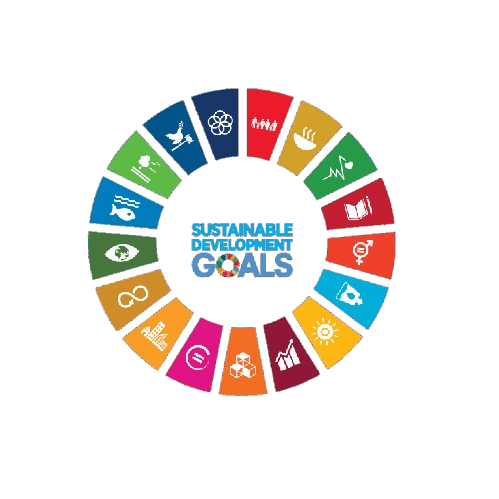
SDG-Aligned Research Themes
ISAE conference tracks support global knowledge exchange, innovation, and sustainable development priorities across diverse disciplines.
01 Innovations in Epidemiologic Methods +
This track focuses on the latest advancements in epidemiologic methodologies, including novel statistical techniques and modeling approaches. Participants will explore how these innovations can enhance data accuracy and improve public health outcomes.
02 Public Health Surveillance Systems +
This session will examine the evolution and effectiveness of public health surveillance systems in tracking disease outbreaks. Discussions will highlight case studies and best practices for integrating technology in surveillance efforts.
03 Health Data Analytics and Interpretation +
This track emphasizes the importance of health data analytics in epidemiology, focusing on data interpretation and its implications for public health policy. Attendees will learn about tools and techniques for analyzing complex health datasets.
04 Biostatistics in Epidemiological Research +
This session will delve into the role of biostatistics in epidemiological studies, covering statistical methods that are essential for analyzing health data. Participants will gain insights into how biostatistical approaches can inform disease prevention strategies.
05 Disease Prevention Strategies +
This track will explore effective disease prevention strategies informed by epidemiological research. Presentations will focus on community-based interventions and policy initiatives aimed at reducing disease incidence.
06 Health Policy and Epidemiology +
This session will discuss the intersection of health policy and epidemiology, highlighting how epidemiological evidence can shape health policy decisions. Participants will engage in dialogue about the challenges and opportunities in translating research into practice.
07 Health Systems and Epidemiological Outcomes +
This track will investigate the impact of health systems on epidemiological outcomes, focusing on access to care and health equity. Presentations will address how systemic factors influence disease prevalence and health disparities.
08 Emerging Infectious Diseases and Epidemiology +
This session will focus on the epidemiological challenges posed by emerging infectious diseases. Participants will discuss surveillance, response strategies, and the role of global collaboration in managing outbreaks.
09 Epidemiology of Non-Communicable Diseases +
This track will explore the epidemiological trends and risk factors associated with non-communicable diseases. Discussions will center on prevention strategies and the role of lifestyle factors in disease management.
10 Epidemiological Research in Health Innovation +
This session will highlight the role of epidemiological research in driving health innovation. Participants will examine case studies where epidemiological insights have led to the development of new health technologies and interventions.
11 Global Health and Epidemiological Challenges +
This track will address the global health challenges faced by epidemiologists today, including climate change and globalization. Participants will discuss collaborative approaches to tackle these pressing issues in public health.
