Flex Conference (Physical / Digital)

International Conference on Mathematics Education and Teachers - (ICMET-27)

17th - 18th June 2027 , Ouro Preto - Brazil

Registration Options

Access Flexible Participation Categories
Academic Program

Conference Session Tracks

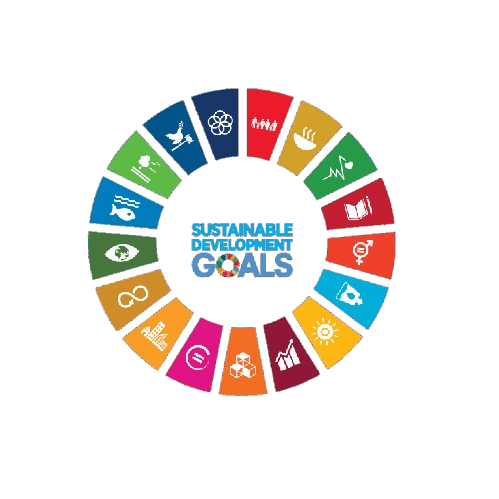
SDG Wheel

Aligned with

UN Sustainable Development Goals

This conference contributes to global sustainability by aligning its research discussions and academic sessions with key United Nations Sustainable Development Goals. It fosters knowledge exchange, innovation, and collaborative engagement.

SDG 4 SDG 4 — Quality Education
SDG 9 SDG 9 — Industry, Innovation and Infrastructure
SDG 10 SDG 10 — Reduced Inequalities
SDG 11 SDG 11 — Sustainable Cities and Communities
SDG 16 SDG 16 — Peace, Justice and Strong Institutions
SDG 17 SDG 17 — Partnerships for the Goals
Session Tracks
Track 01
Innovative Pedagogical Approaches in Mathematics Education

This track focuses on novel teaching methodologies that enhance student engagement and understanding in mathematics. Participants are encouraged to share research on effective pedagogical strategies tailored to diverse learning needs.

Track 02
E-Learning Strategies in Mathematics and Statistics

This session explores the integration of e-learning tools and platforms in the teaching of mathematics and statistics. Papers should address the effectiveness of digital resources in improving student learning outcomes.

Track 03
Assessing Student Learning in Mathematics

This track examines various assessment techniques to evaluate student learning in mathematics. Contributions should highlight innovative assessment practices that align with curriculum goals.

Track 04
Designing Effective Instruction for Diverse Learners

This session focuses on instructional design that accommodates individual differences in learning styles and abilities. Participants are invited to discuss frameworks and strategies for inclusive mathematics instruction.

Track 05
Integrating Technology in Mathematics Education

This track investigates the role of technology in enhancing mathematics education. Papers should explore the impact of technological tools on teaching practices and student engagement.

Track 06
Case-Based and Problem-Based Learning in Mathematics

This session emphasizes the use of case-based and problem-based learning approaches in mathematics education. Contributions should demonstrate how these methods foster critical thinking and real-world application of mathematical concepts.

Track 07
Curriculum Development in Mathematics Education

This track addresses the challenges and innovations in developing mathematics curricula that meet contemporary educational standards. Participants are encouraged to share insights on curriculum design that promotes deep understanding and skill acquisition.

Track 08
Civics and Moral Education in Mathematics

This session explores the intersection of mathematics education with civics and moral education. Papers should discuss how mathematical concepts can be used to address ethical issues and promote civic responsibility.

Track 09
Early Childhood Mathematics Education

This track focuses on effective strategies for teaching mathematics to young learners. Contributions should highlight developmental approaches that support early mathematical understanding and skills.

Track 10
Educational Policies and Practices in Mathematics

This session examines the impact of educational policies on mathematics teaching and learning. Participants are invited to discuss how policy changes can influence classroom practices and student outcomes.

Track 11
Leadership and Change in Mathematics Education

This track explores the role of leadership in driving change within mathematics education. Papers should focus on strategies for fostering a culture of continuous improvement and innovation in mathematics teaching.